
Reference · no video
The privacy laws we build to
PIPEDA is Canada's federal privacy law; PHIPA is Ontario's health-information law. Neither is a certificate you hang on a wall — they're requirements. Here is each one that touches a hockey family, and the screen that meets it.
Help › The privacy laws we build to
Requirement by requirement
- PIPEDA · ConsentMeaningful, informed consent before personal information is collected, used or shared — and the right to withdraw it.
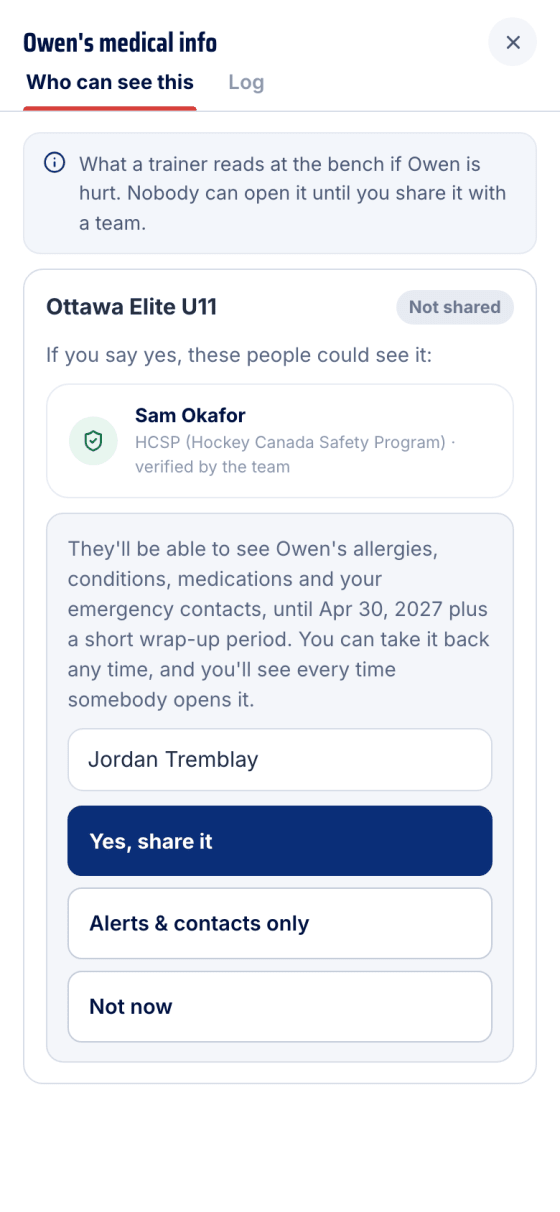
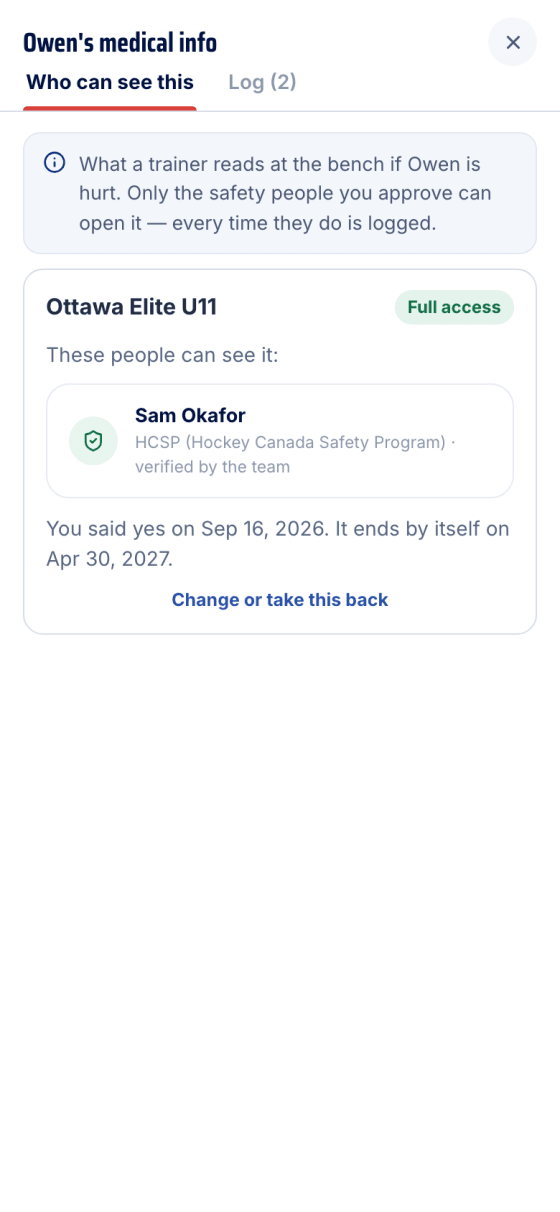
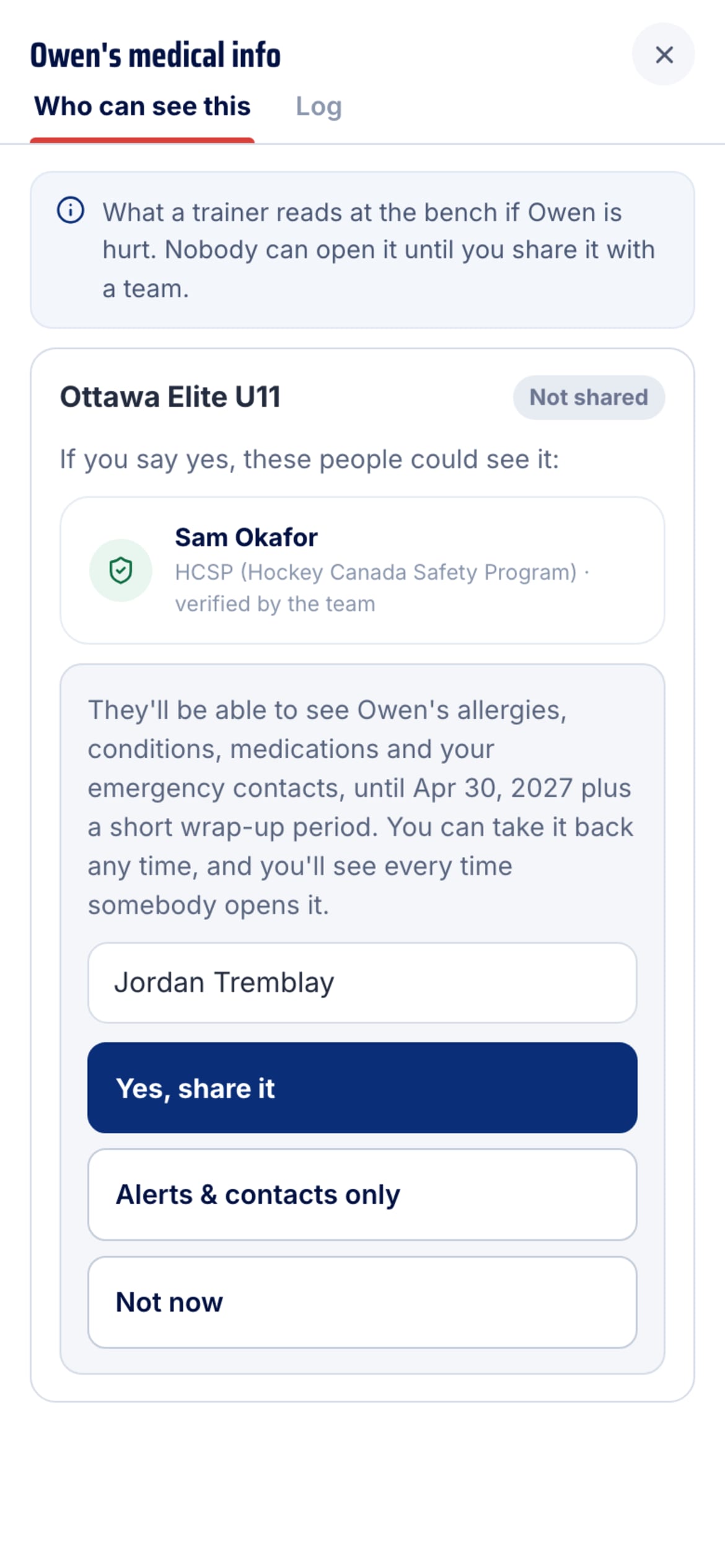
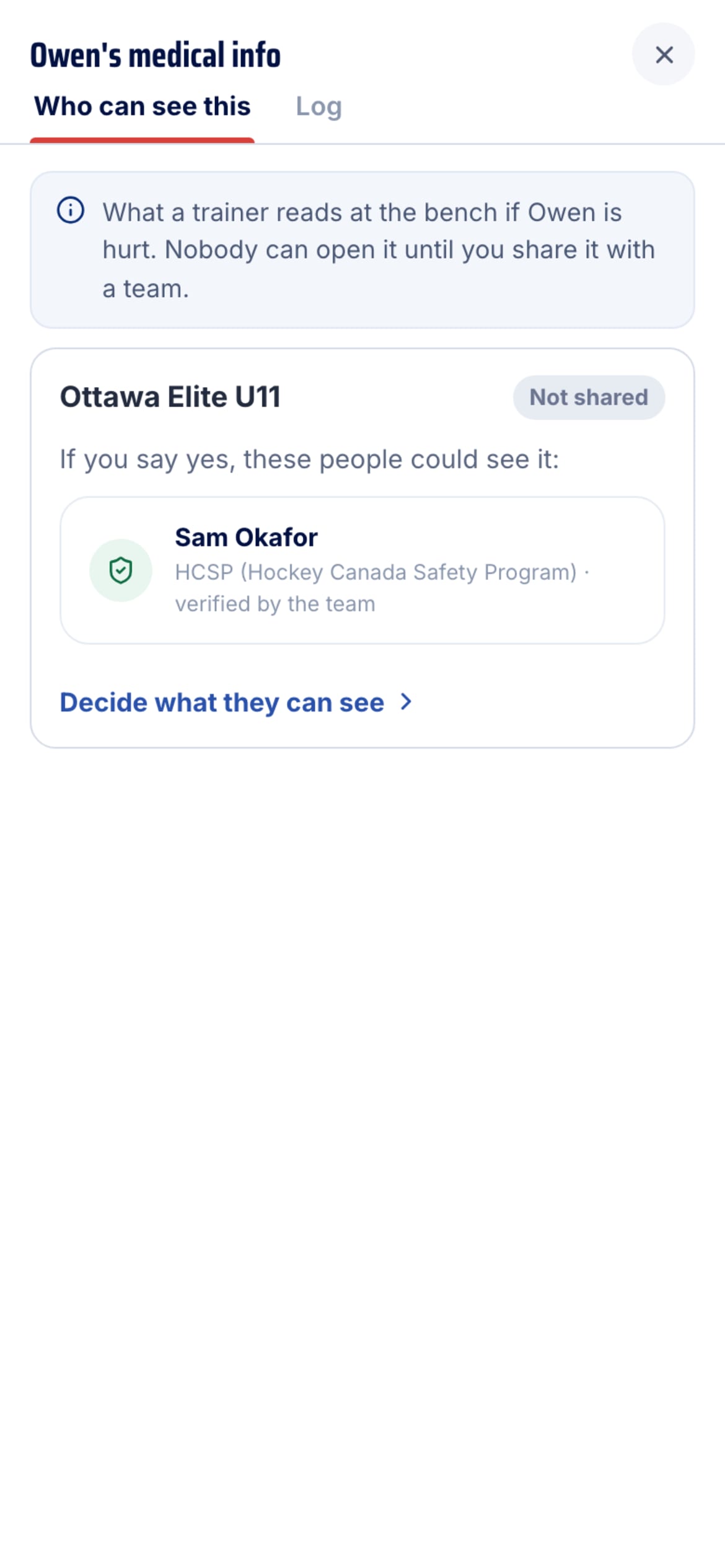
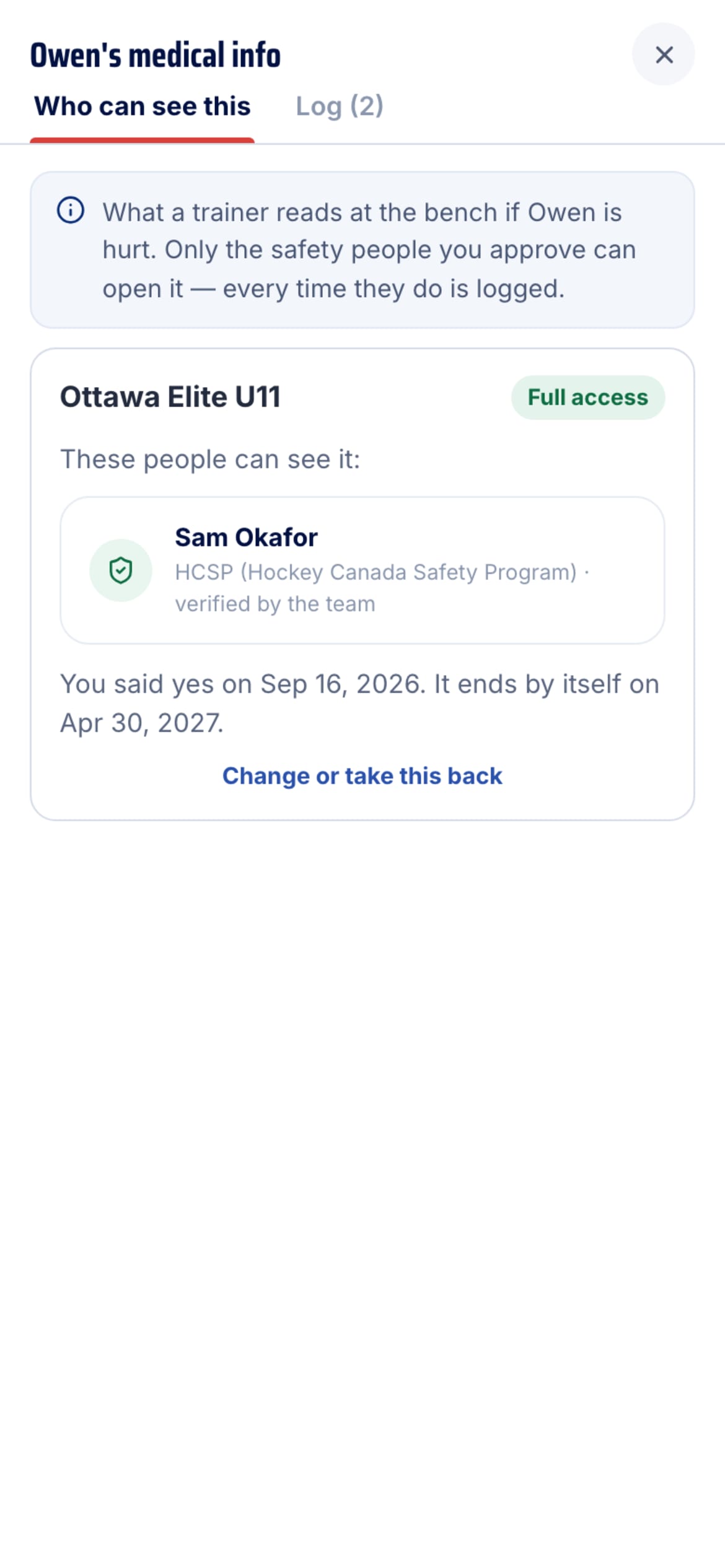
A parent decides whether a team's safety person can read their kid's record, sees exactly who that person is and their qualification, and signs for it. Stop sharing takes effect immediately, no reason needed, and permission lapses on its own at the end of the season.
- PIPEDA · Limiting collection, use and disclosureCollect only what the purpose needs; use it only for that purpose; share only with those who need it.
Parents can share the full record or alerts and emergency contacts only, keeping medications, notes and family history private. Coaches and team admins who aren't appointed safety people can't read health information at all, and sharing with one team never extends to another.
- PIPEDA · AccountabilitySomeone is responsible for personal information, and anyone handling it is bound to protect it.
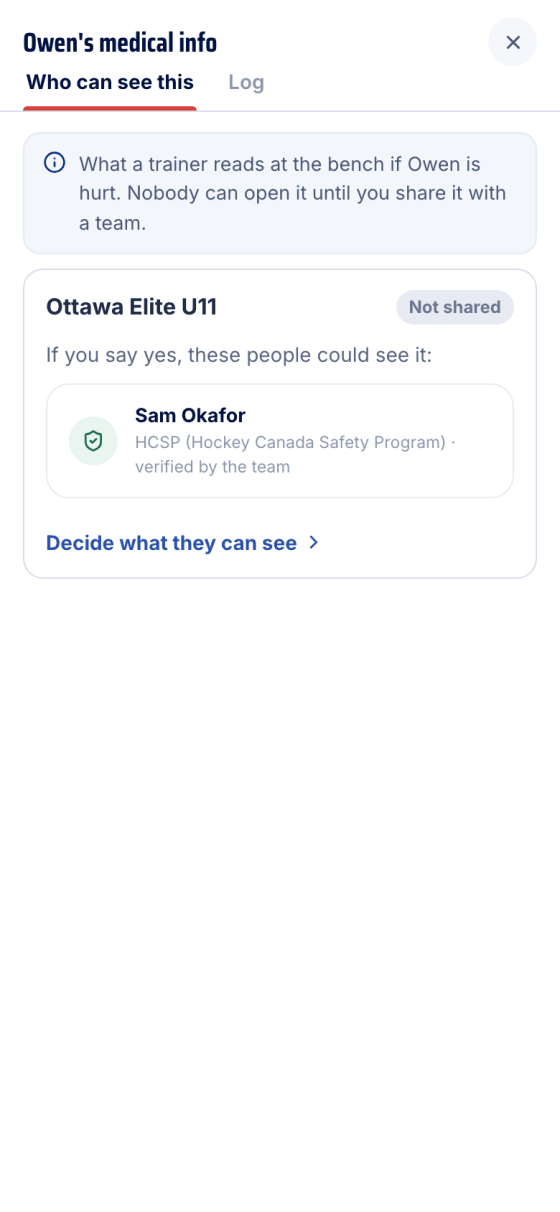
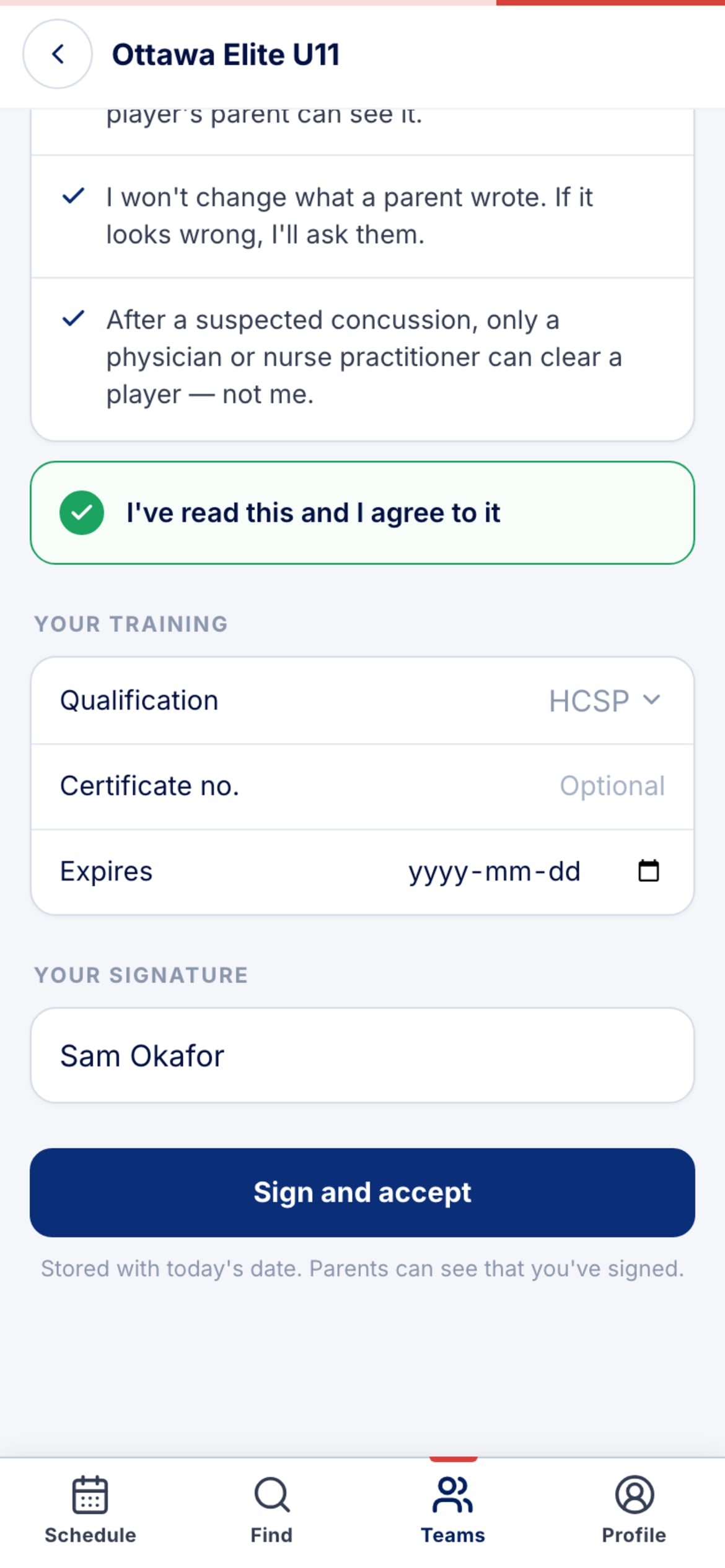
A trainer only gets access after a team admin appoints them and they personally sign a confidentiality undertaking in the app. If the appointment ends, access ends with it.
- PIPEDA · Individual access & opennessPeople can see what's held about them, who has had access, and how it's handled.
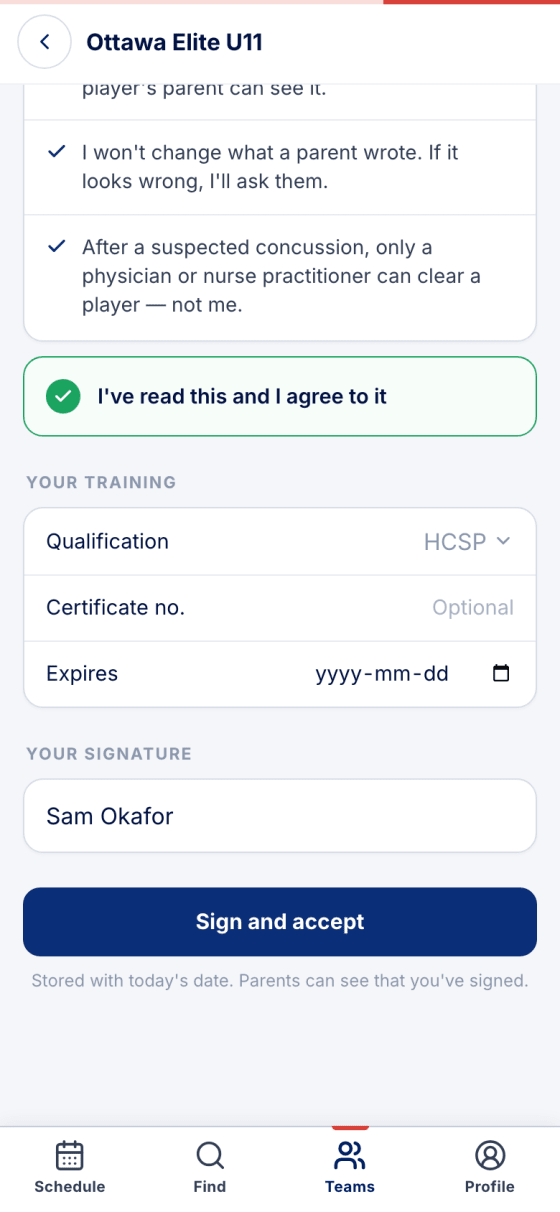
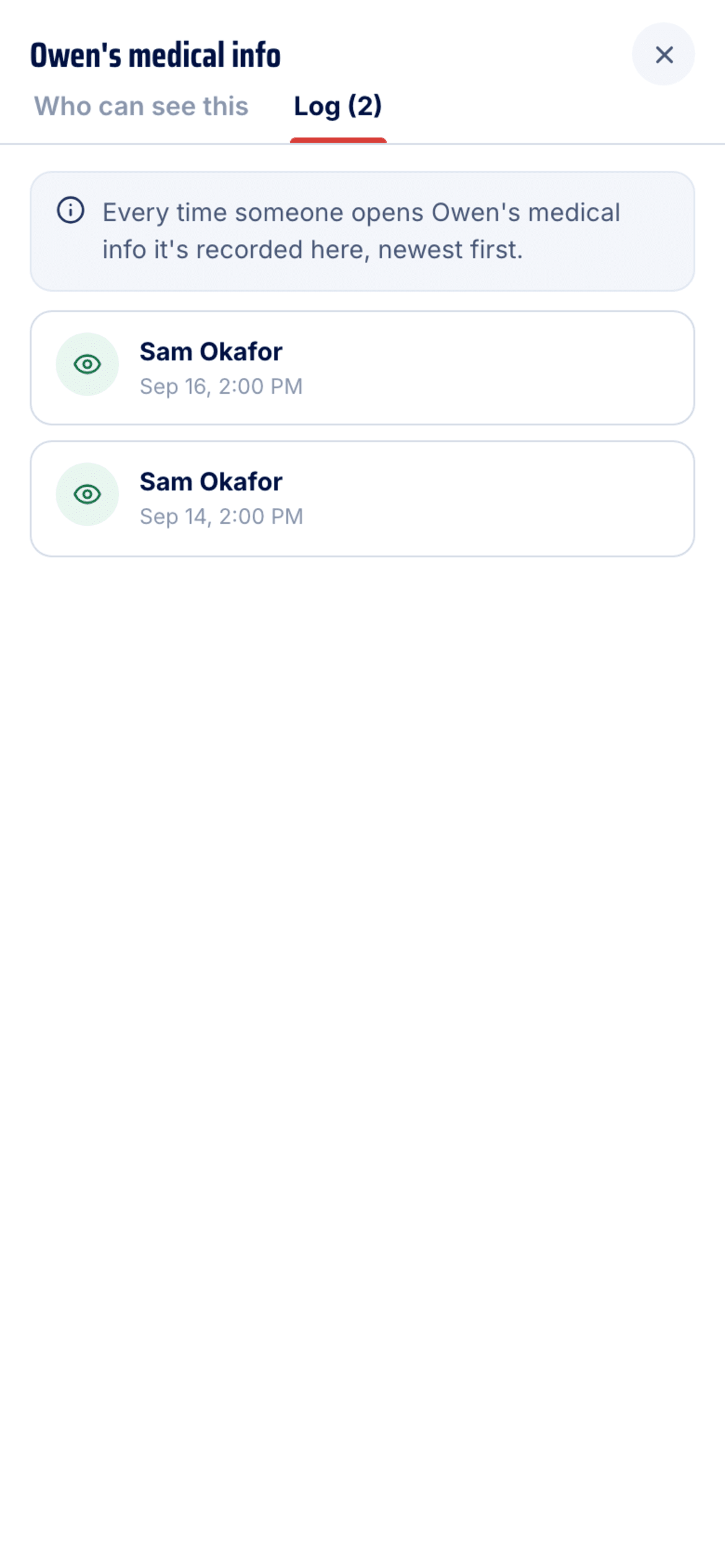
Every time somebody other than a guardian opens a player's health information, the app records who and when — and the parent can read that list on the player's page at any time. The full policy is at puckfinder.app/privacy.
- PIPEDA · Accuracy & individual correctionInformation is accurate and complete, and the person can correct it.
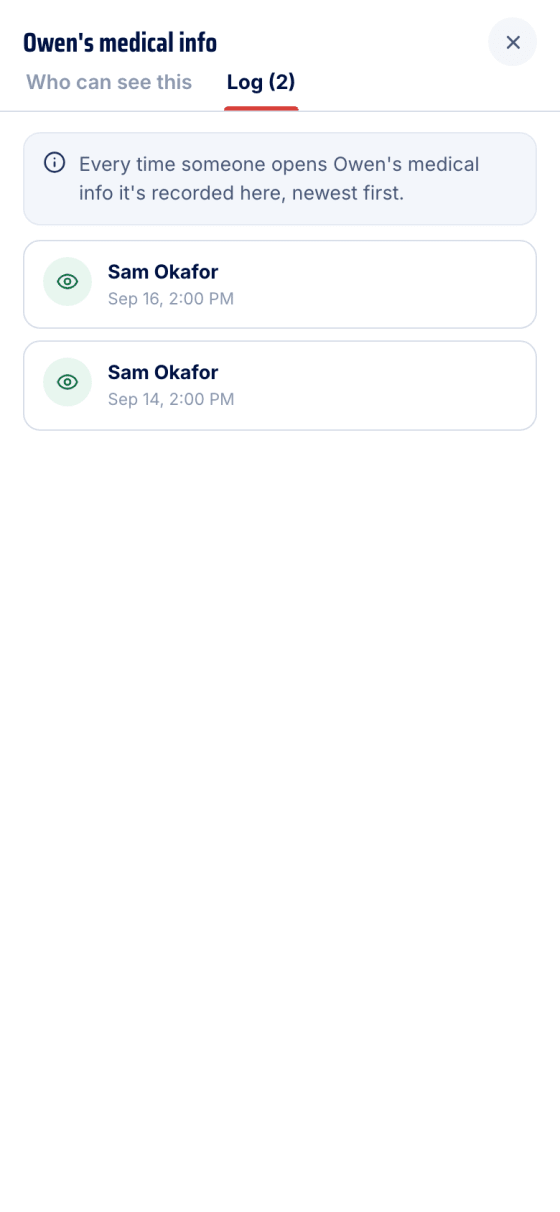
The parent writes and edits the record themselves — conditions, what to watch for, where the medication is, who to call — and the trainer sees exactly that, nothing more. Nothing is transcribed by a third party.

- PIPEDA · SafeguardsProtection appropriate to the sensitivity of the information.
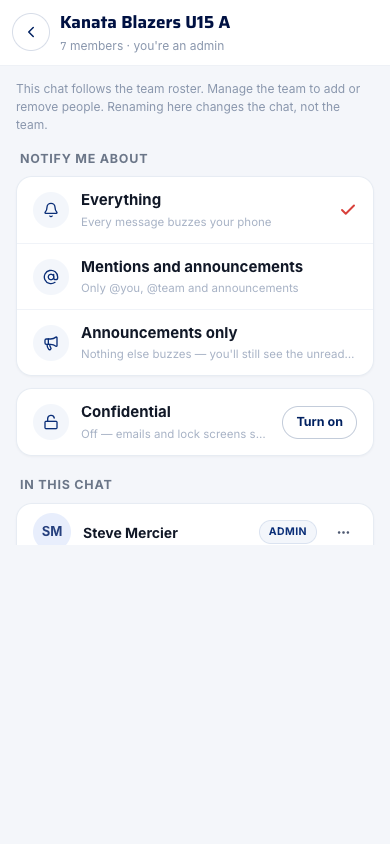
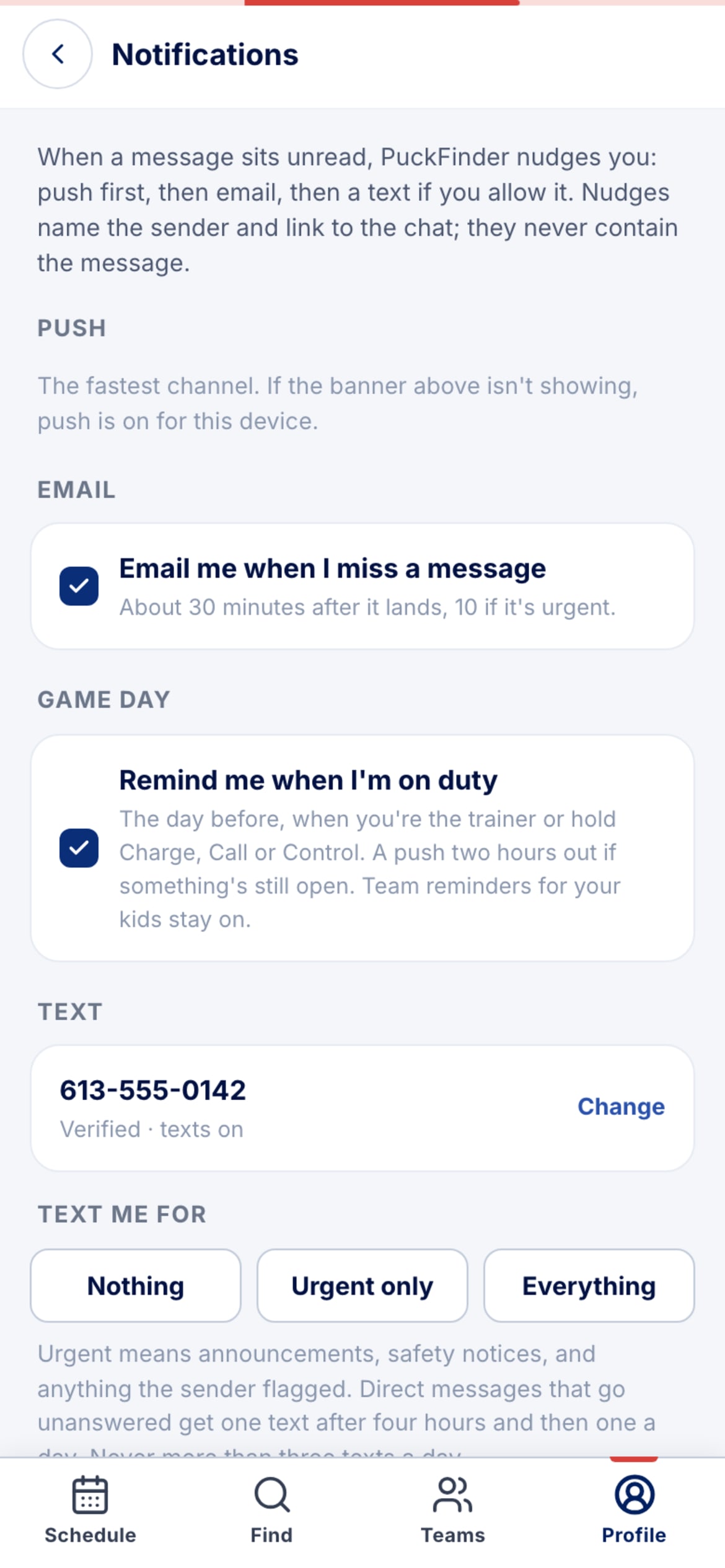
Health information is the most sensitive thing in the app, so it gets the strictest gate: consent on file, an appointed and signed safety person, inside the team's season window — all three, checked on every read. Chats about it can be marked confidential, so emails and lock-screen notifications say who wrote, never what. Data is encrypted in transit and at rest with our hosting provider.
- PIPEDA · Limiting retentionKeep personal information only as long as needed, then delete or de-identify it.
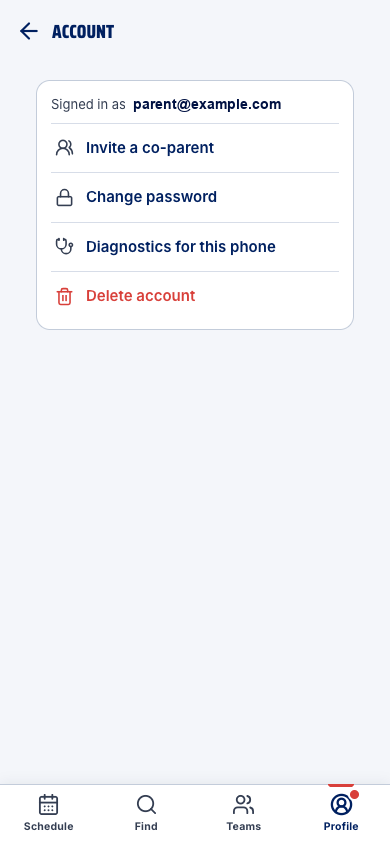
Health records are deleted or de-identified once a player has not been on a roster that uses the trainer module for two consecutive seasons, sooner if the parent deletes them. Injury and concussion records are kept until the player reaches the age of majority plus two years, because they document something that happened. Access logs are kept for 24 months. You can delete your whole account from Profile → Account.
- PIPEDA · Challenging complianceA way to raise a concern with the person accountable, and to have it looked into.
Email john@puckfinder.app — a real person, usually the same day. The policy names the same address and what happens next.
- PHIPA · Consent for health informationKnowledgeable consent, with the right to give it in part, withhold it, or withdraw it — and no penalty for saying no.
Sharing is a choice, in part or in full, and withdrawing it takes one tap. Whether a family shares, and how much, has no bearing on whether the kid takes the ice — the app never uses a consent record for eligibility.
- PHIPA · Lock-boxA person can restrict part of their record from people who would otherwise see it.
Alerts only is the lock-box: the trainer gets the critical conditions and the emergency contacts, and medications, notes and family history stay with the family.
- PHIPA · Agents bound by the custodian's rulesAnyone acting for the organization that holds the record follows its rules and only uses what they need.
Trainers sign the undertaking before their first read; team admins and coaches who aren't safety people see only that a player is out or cleared, never the medical detail behind it. Paper consent forms a team holds are recorded in the app, and the parent is emailed who recorded it, with a one-tap withdraw.

- PHIPA · Audit of accessKnow who looked at a record and when, and be able to show it.
Every non-guardian read is logged with the person and the time; the parent sees the log on the player's page, and the team's own record shows the same trail. Logs are kept for 24 months.

- PHIPA · Emergency accessCare must never wait on a consent decision — but emergency access is narrow, justified and visible.
A safety person can open a player's alerts and emergency contacts only in an emergency without consent. They must give a reason, it's logged as emergency access, it expires after 24 hours, and the guardians get an email naming who and why.
- PHIPA · Notice of a breachTell the person at the first reasonable opportunity if their information was lost, stolen or read without authority.
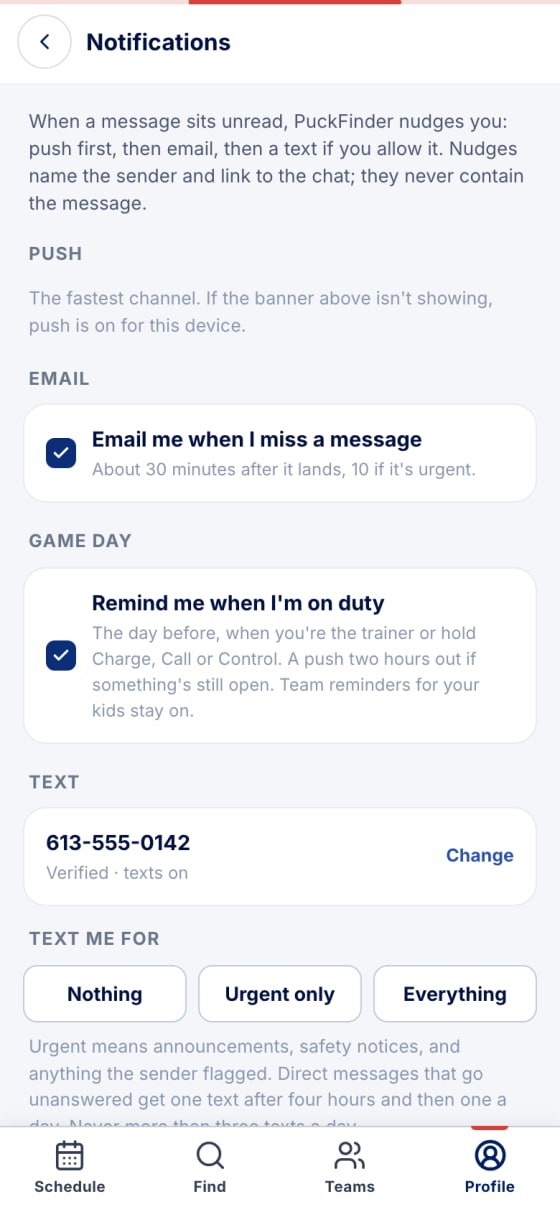
The parent is emailed for every event that touches their kid's record: a new sharing decision, a paper form recorded by a team, an emergency access, an injury logged. Anything outside those is a breach, and the policy commits us to telling the family first.



The short version
- Nothing about a kid's health is read by anyone the parent hasn't chosen, signed for, and can see in a log.
- Trainers are appointed, sign an undertaking, and lose access the moment either stops being true.
- Sharing, or not, never decides who plays.
- Records are kept only as long as the purpose needs, and a family can delete theirs sooner.
The binding text is the privacy policy (section 5 covers health information). This page is the plain-language map from the law to the screens.
Stuck?
Email john@puckfinder.app — a real person, usually the same day.